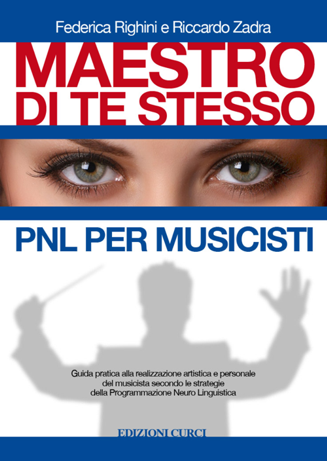
Approaches to musical practice and performance
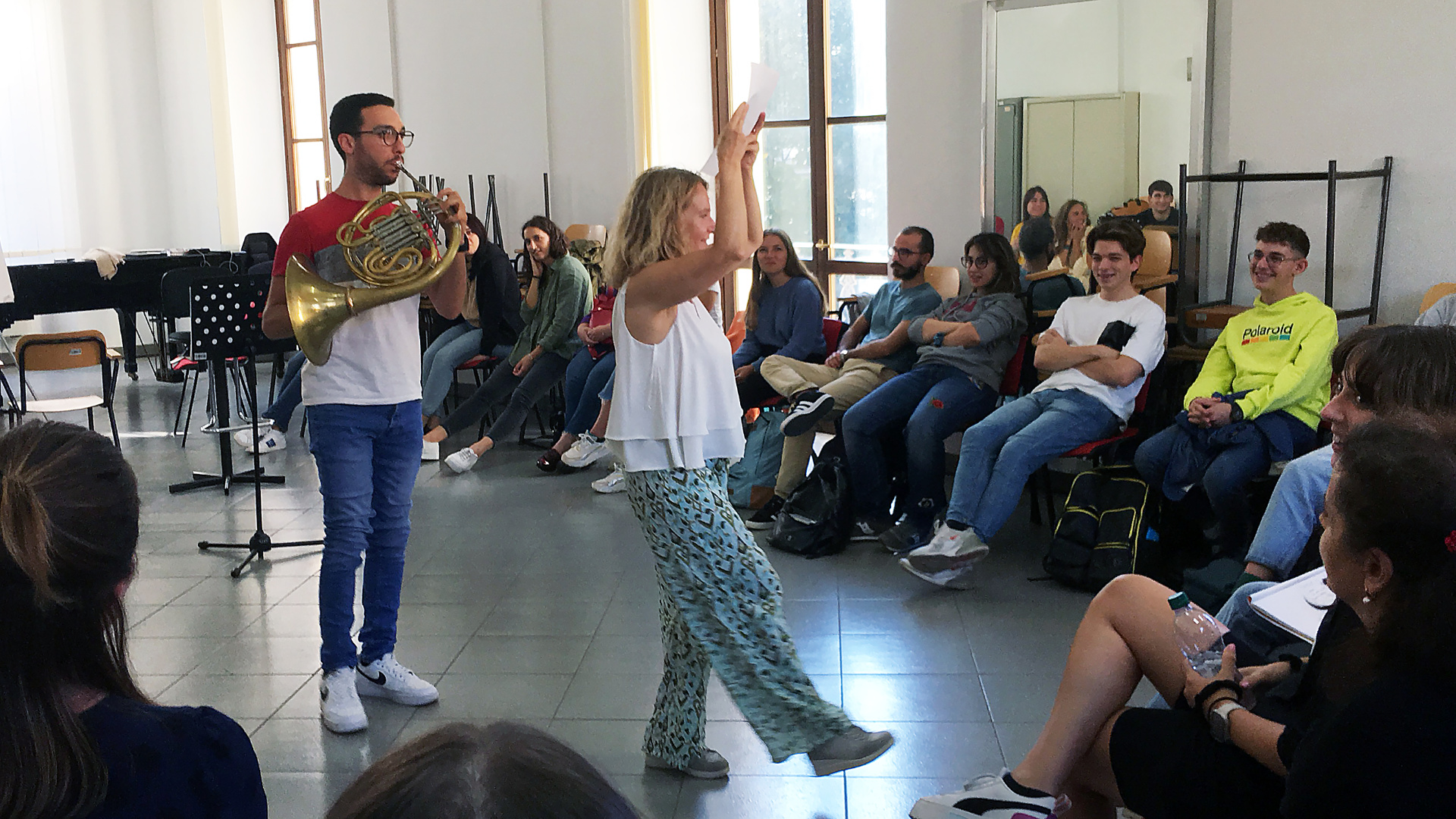
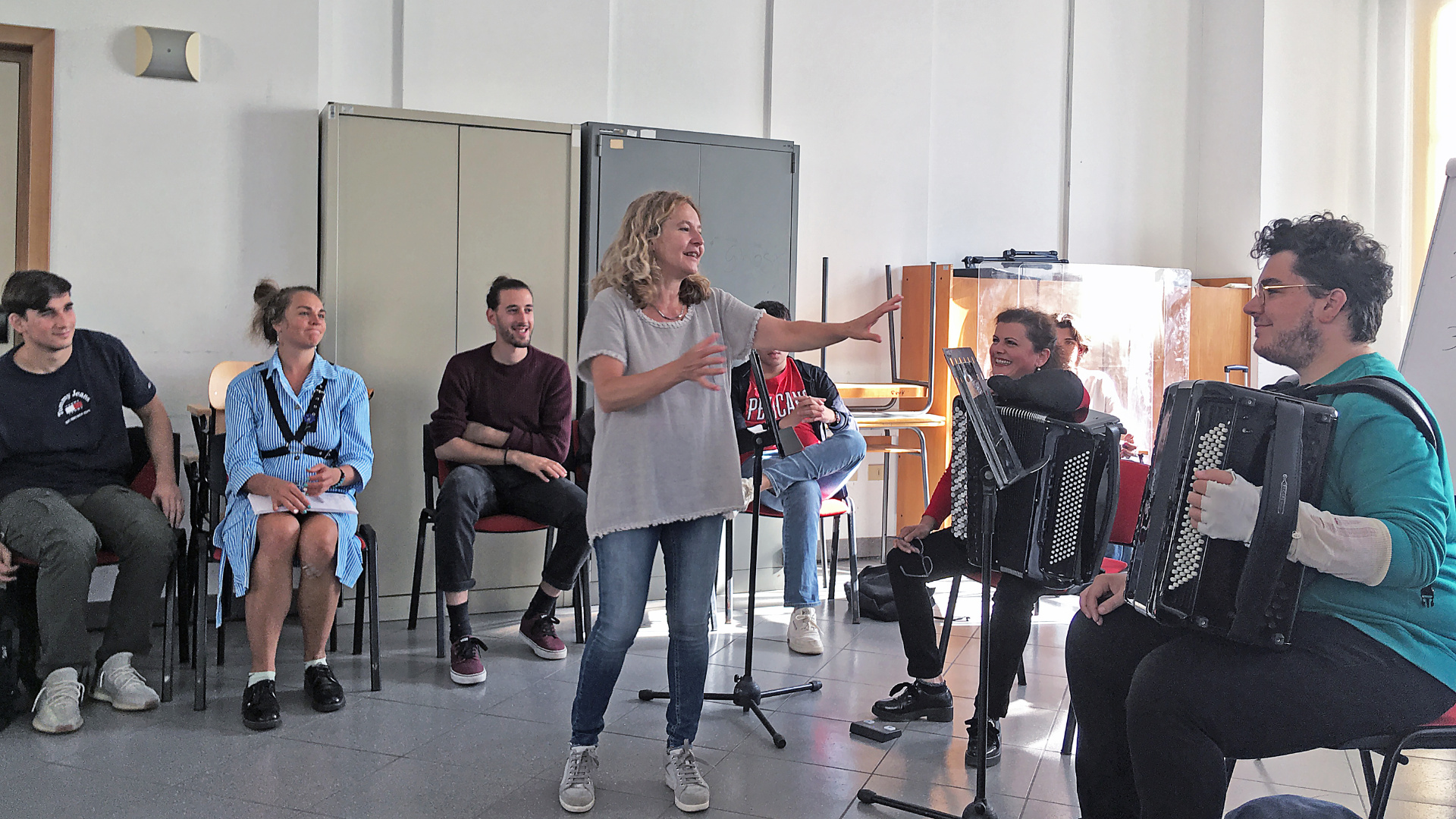
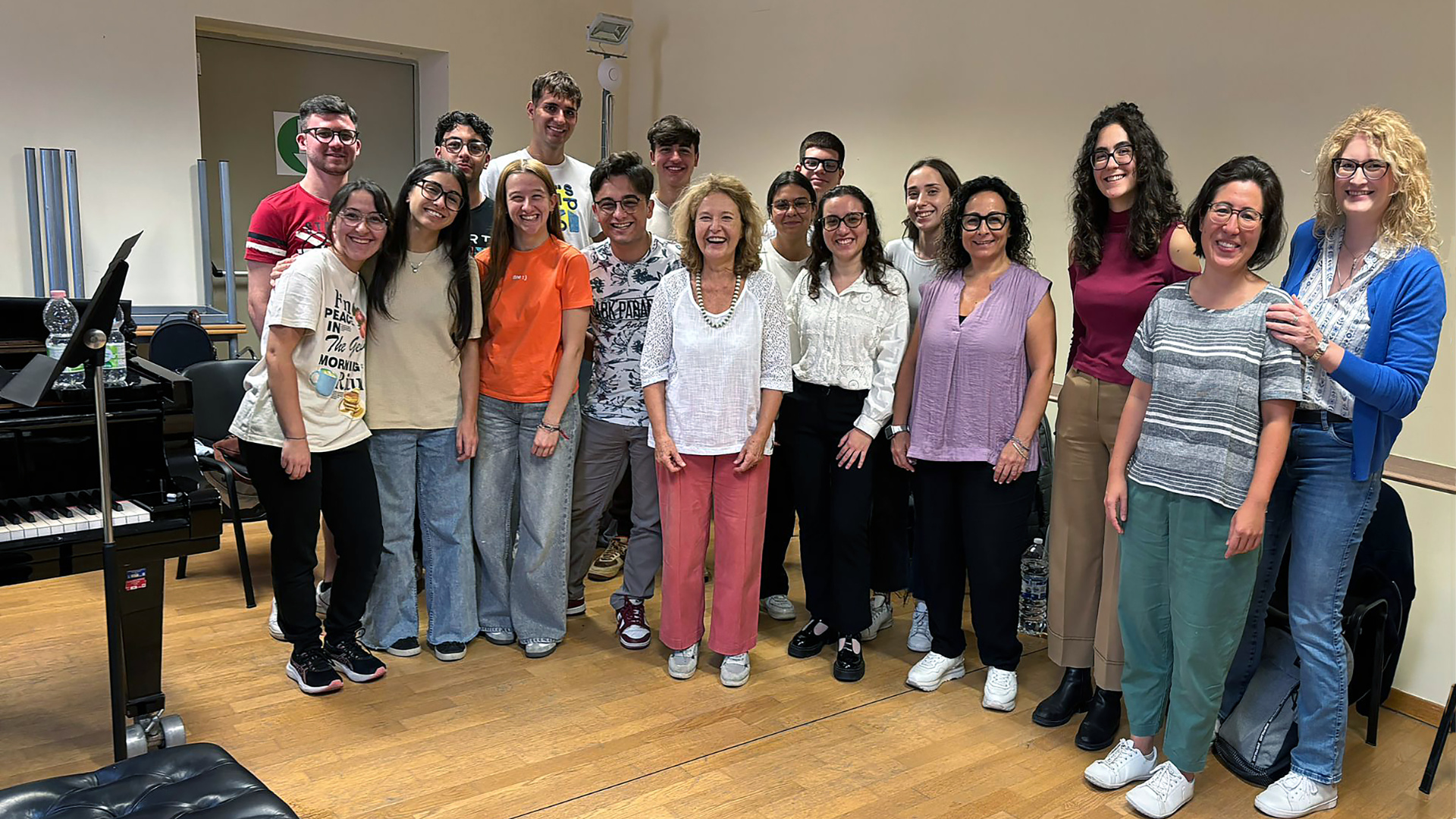
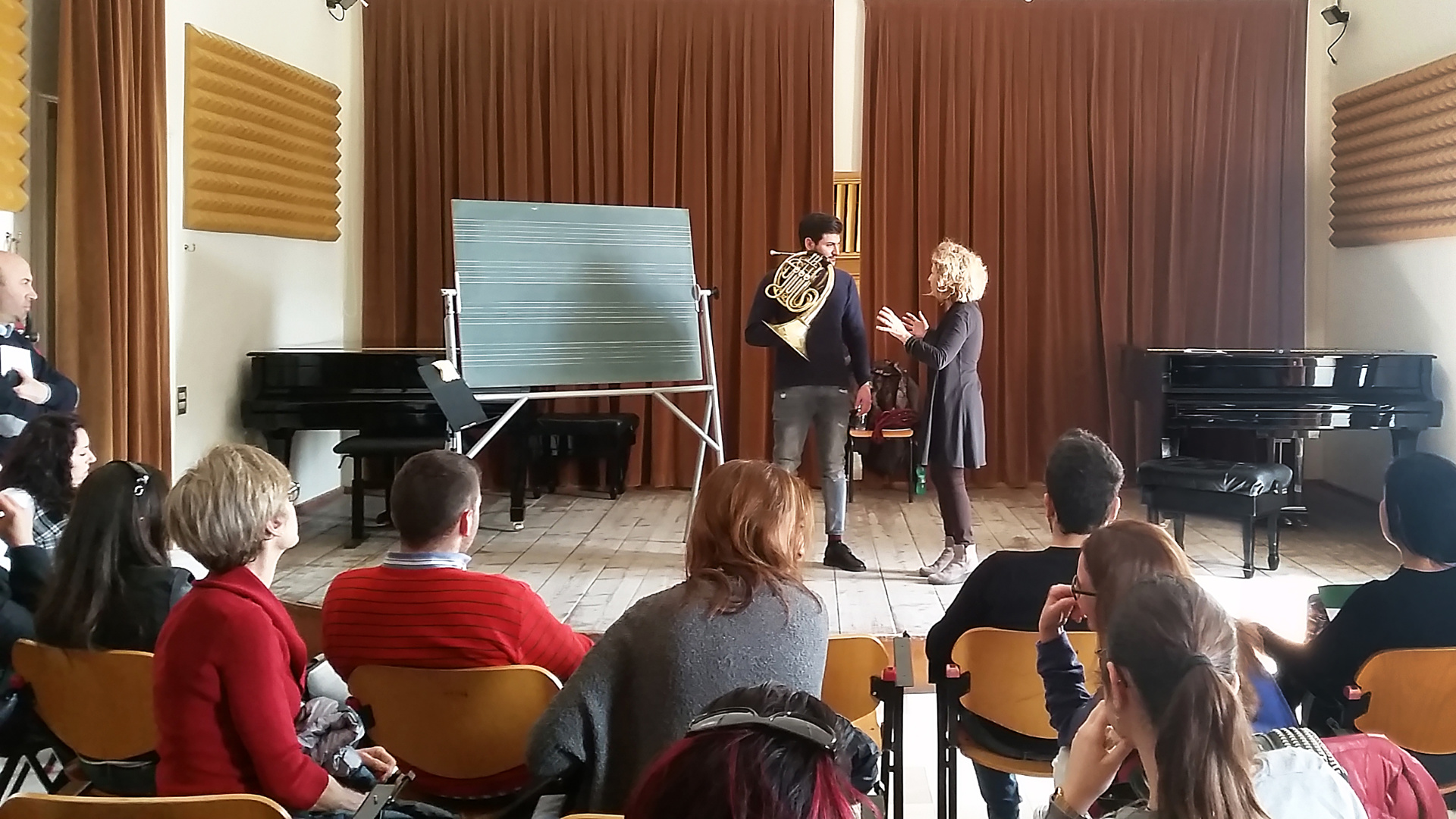
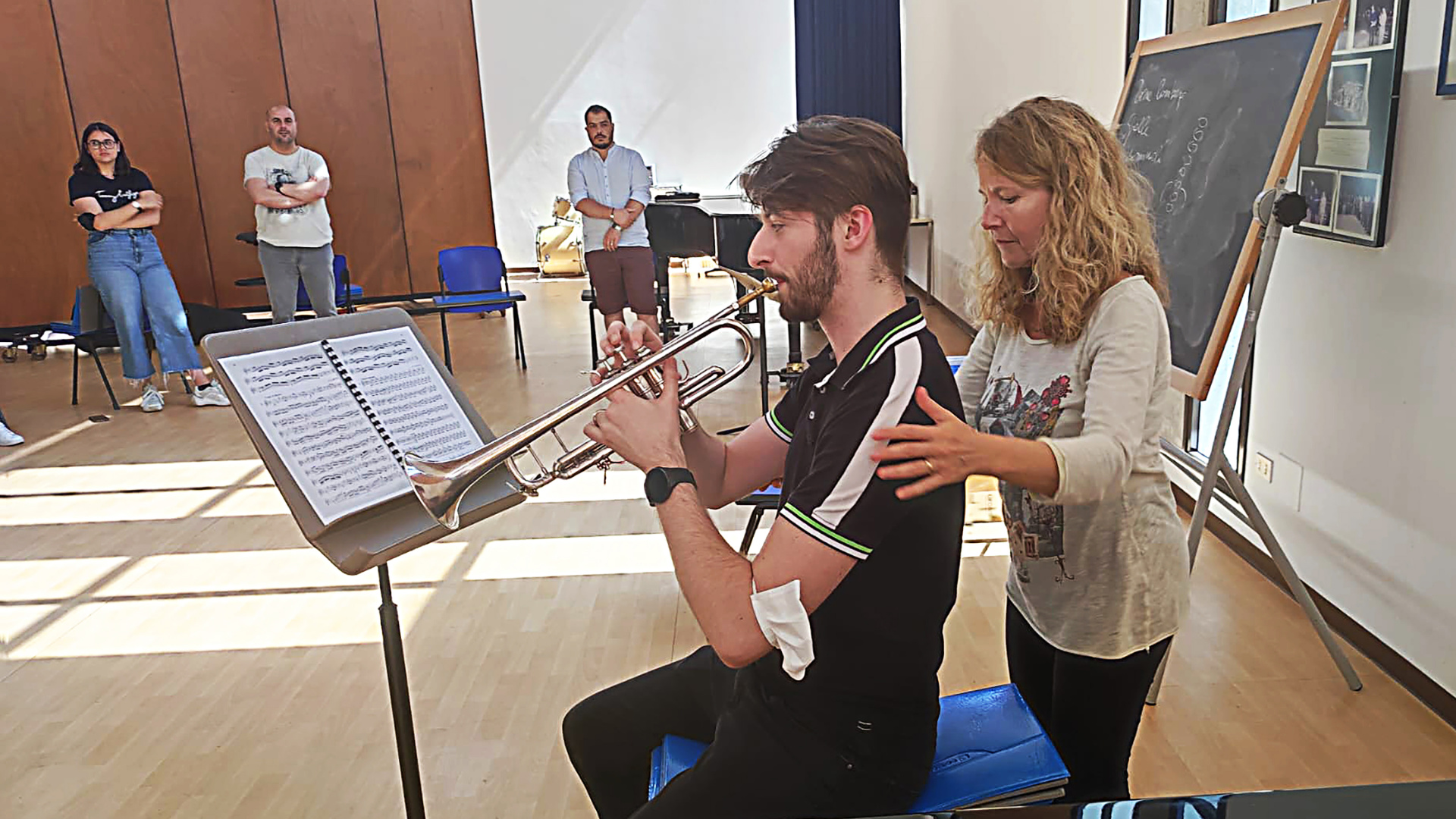
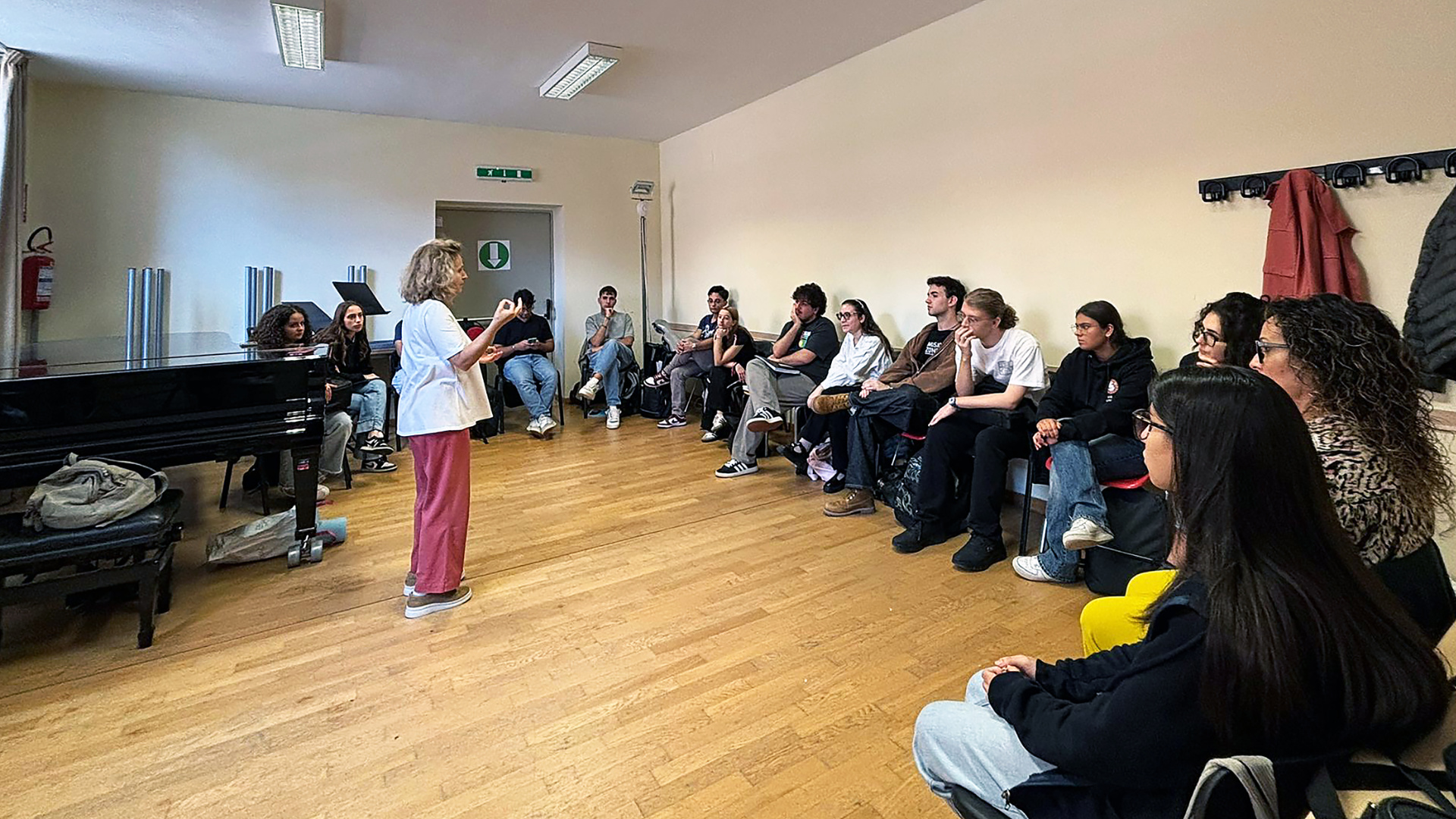
We offer awareness-based and developmental pathways for musicians that integrate artistic and pedagogical expertise with approaches drawn from human potential development, with the aim of improving the relationship with music, optimising performance and strengthening personal resources.
Formats
Our work is organised in different formats, which can be adapted to specific institutional and individual needs:
Courses at Conservatoires
Structured programmes that can be integrated into academic curricula, focusing on the psychophysiological aspects of musical performance and on the development of performing skills.
Seminars for Music Schools
Practical workshops for students and teachers, based on direct experience and active participation. Seminars can be organised in different formats and durations, depending on the number and profile of participants.
Individual Coaching
Personalised programmes for professional musicians and students who wish to work on specific goals related to performance, practice and the emotional and technical aspects of their musical activity.
Approach and tools
During the sessions we use techniques drawn from Neuro-Linguistic Programming, mindfulness, creative visualisation, meditation, and exercises for body awareness, proprioception and breathing, based on approaches such as the Feldenkrais Method, bioenergetics and other body-based practices.
All activities are strongly practice-oriented and allow musicians to experience the proposed strategies directly.
Areas of focus
Our pathways address the main dimensions of musical practice and performance:
The power of attention: management of inner dialogue, concentration, and transformation of limiting patterns.
Music in the body: postural awareness, breathing, release of unnecessary tension, and mind–body connection
The art of practising: intentional practice, time management, memorisation, and effective goal setting.
Successful performance: management of performance anxiety, optimal psychophysical state, and stage presence
For pianists: physiology of piano technique, the relationship between gesture and interpretation, and repertoire-based work.
For teachers: effective communication, teaching strategies, and management of the teacher–student relationship.
Master yourself